Applicable to marine waste collection vessels-2
2026-01-19
1. Introduction
This blog post introduces a method for collecting and thermal treatment of marine waste using large vessels. This method also utilizes an chamber, which exhibits excellent thermal treatment performance despite its moisture content, to collect, sort, dehydrate, and thermal treatment of quantities of marine waste.
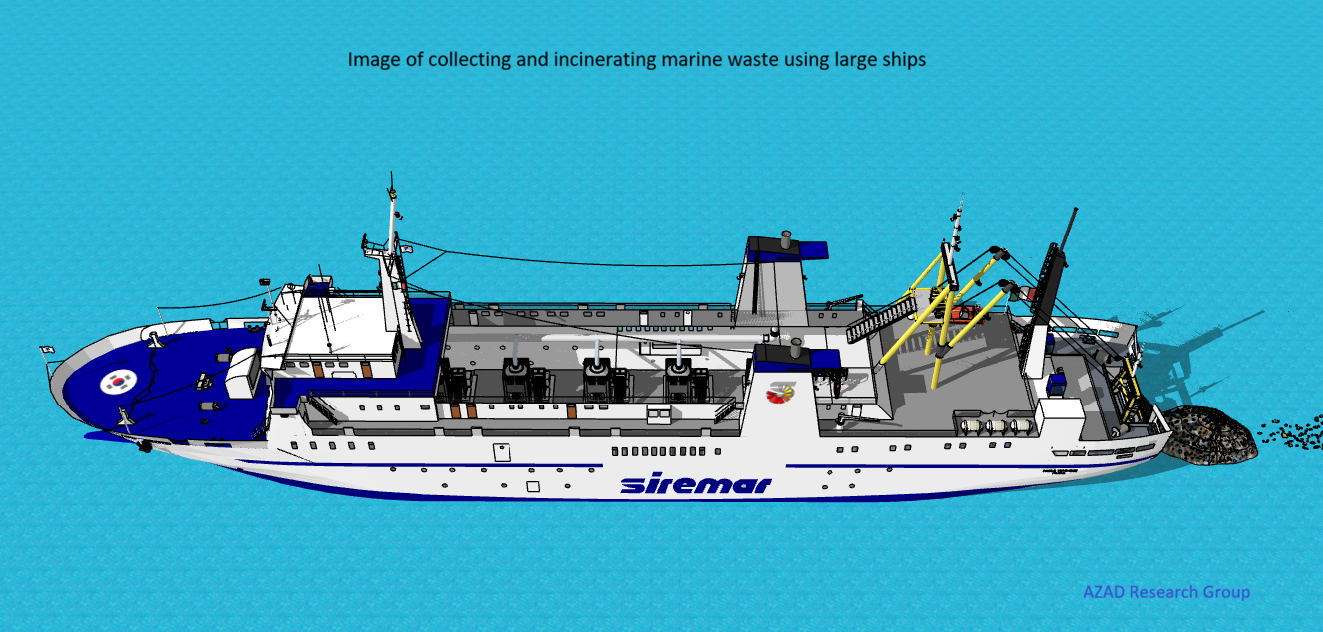
2. Key Factors
- Separation, deodorization, and crushing of marine waste
- Eco-friendly incineration of high-moisture marine waste
- Thermal treatment Controls
3. Shredding, deodorization and separation of marine waste
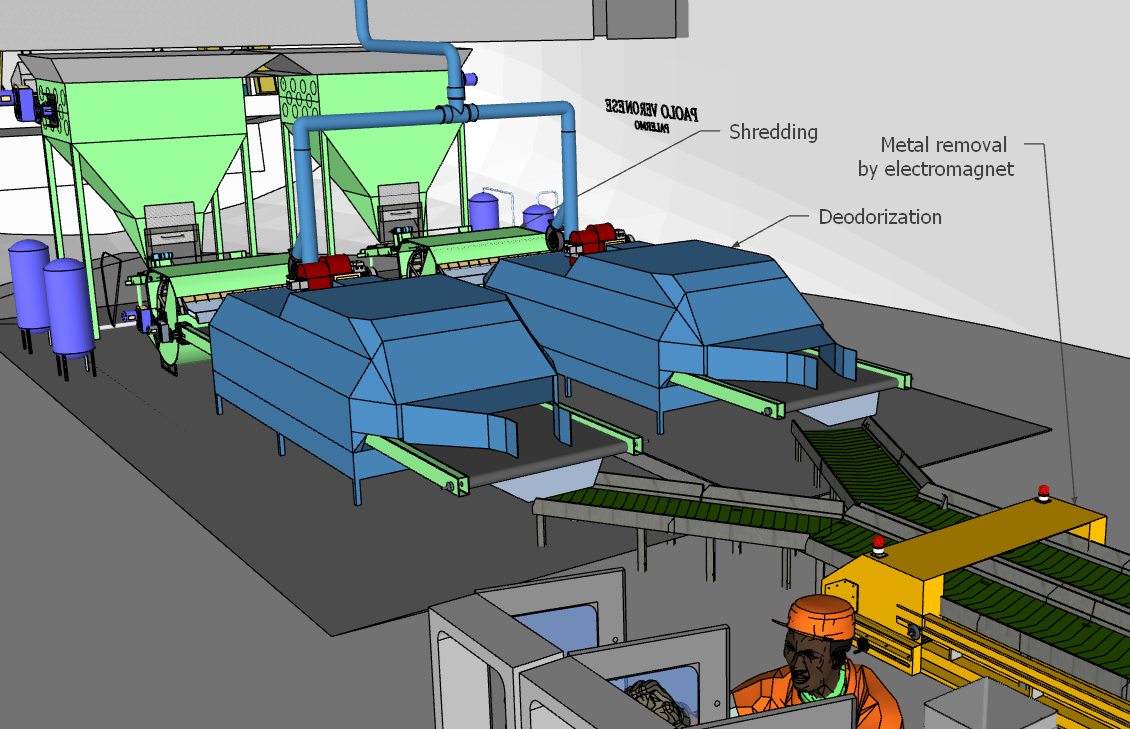
Thermal treatment of large quantities of marine waste involves collection, shredding, dehydration, and metal removal. To minimize the amount of ash remaining after thermal treatment, bottles are shredded to remove metals, but the only remaining pieces of broken glass are later discharged along with the ash. However, the number of glass bottles floating in the ocean is very small.
4. Change in waste input method
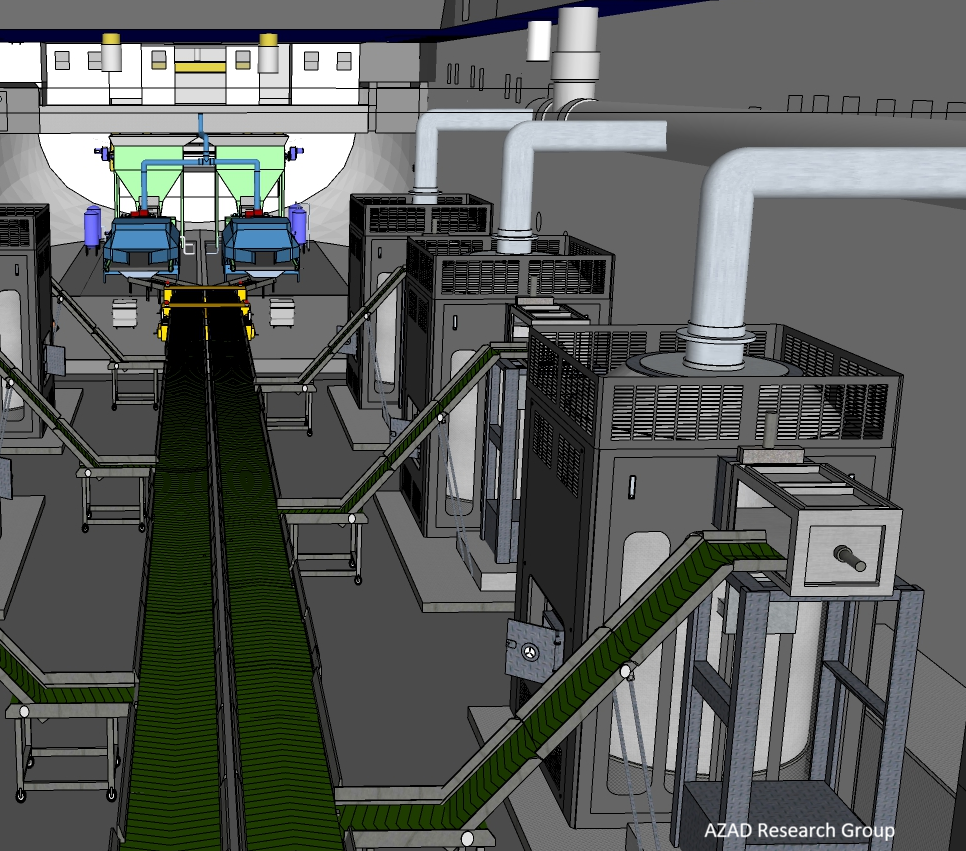
The Push & Pull type waste inlet on the side of the chamber is operated by the control system.
5. Thermal treatment of wet waste using a rotary stirrer
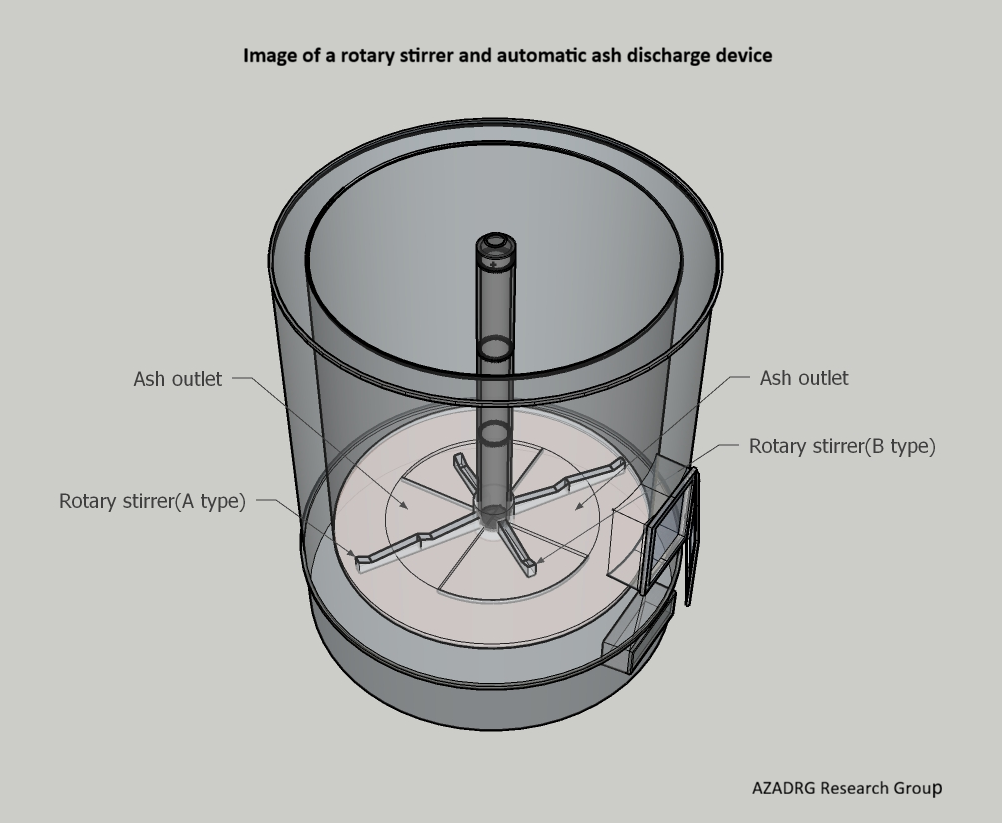
Marine waste thermal treatment can be designed with a rotating stirrer installed at the bottom of the chamber, allowing the chamber ash to be automatically discharged. In particular, the use of a rotating stirrer is an excellent method for evenly thermal treating wet marine waste.
6. Control system, dust collection, etc
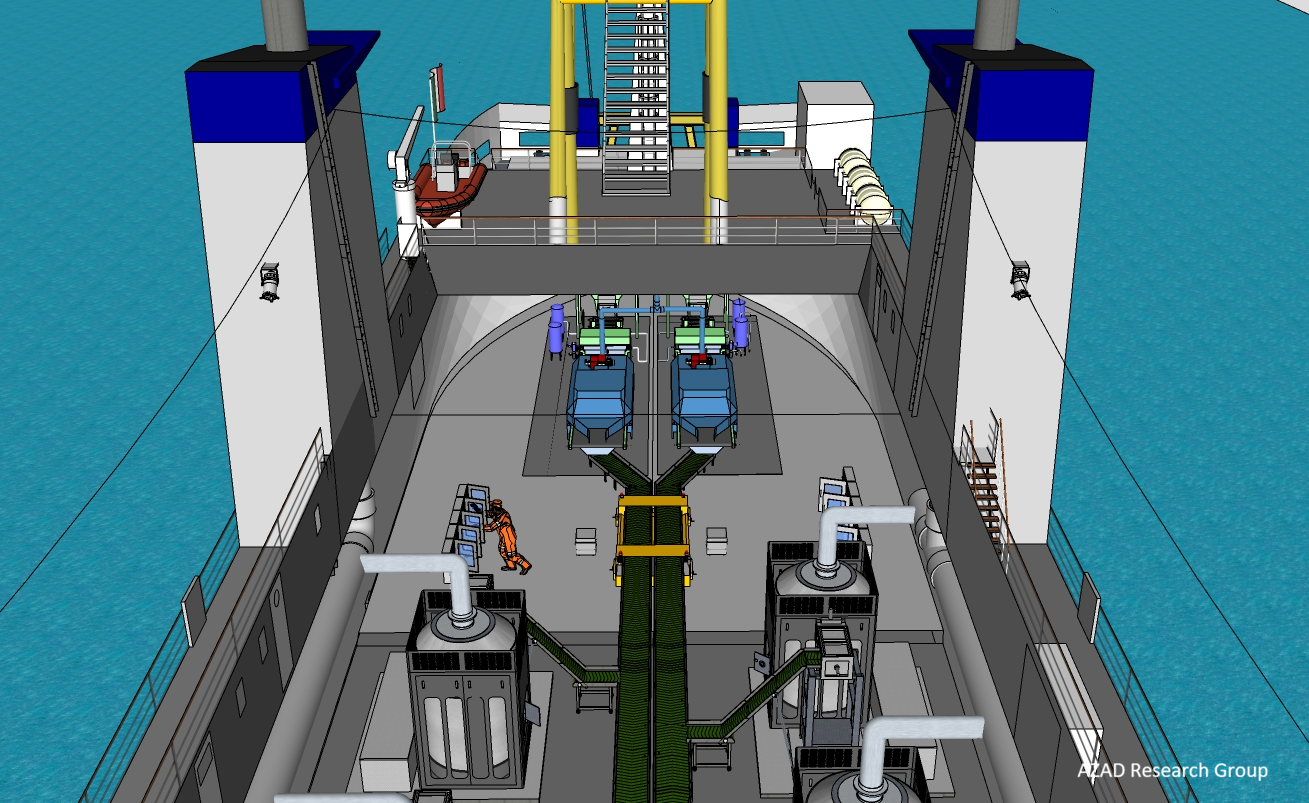
Controlling multiple chambers connected in parallel on large vessels involves a combination of individual chamber control and overall system control, including dust collection equipment. This area requires system development for field testing.
On a vessel with a structure like the one shown in the image, it would be possible to install dust collection equipment on the deck structure, connected to the chimneys on both sides. This also requires expert design and field testing.
Of course, the image shows that the upper part of the chamber is open, but in operation, the upper part of the chamber needs to be sealed or have an opening and closing structure.
Document status
- Stage: Concept
- Last updated: 2026-01-25
-
Looking for: peer review